The Art of OEM Casting How to Choose the Right Process for Your Needs
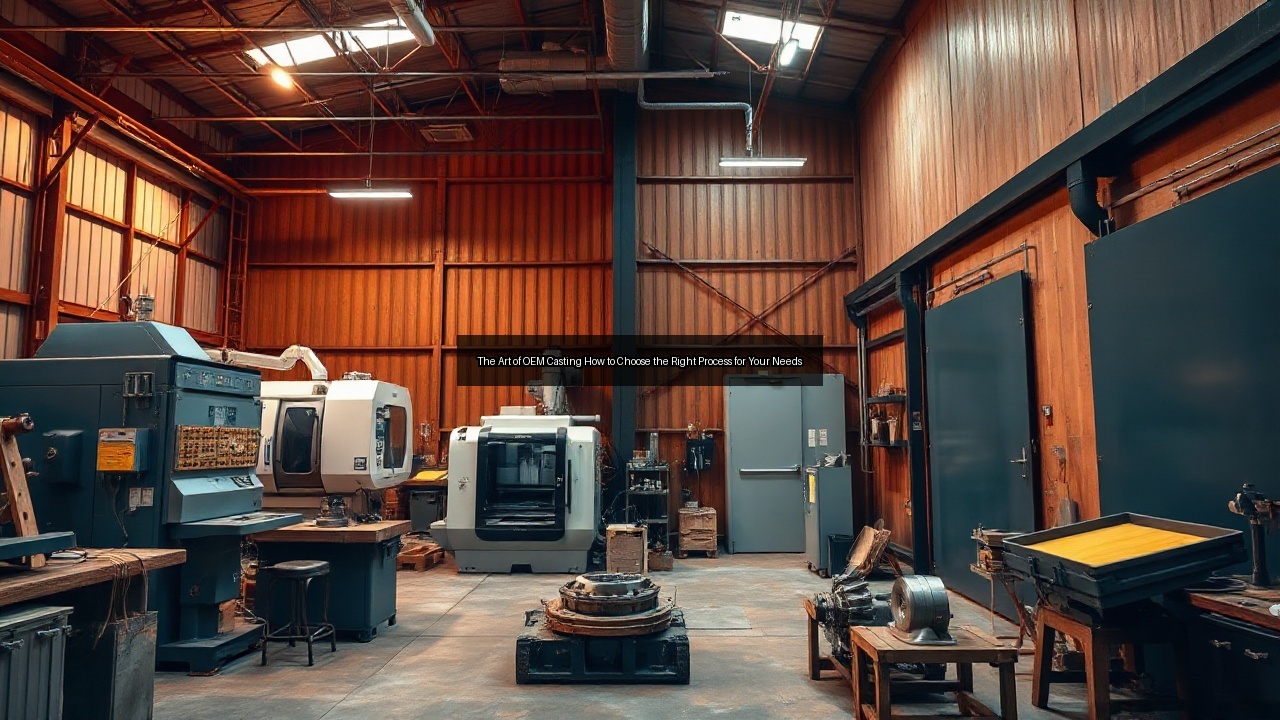
Understanding OEM Casting Processes
Overview of OEM Casting
OEM casting, or Original Equipment Manufacturer casting, involves producing parts and components for various industries using specialized casting processes. This method enables OEM manufacturers to create precise, durable, and high-quality products tailored to specific applications. The casting process allows for the mass production of intricate designs and shapes, making it a popular choice for industries such as automotive, aerospace, and machinery. Understanding the different casting techniques is essential for OEMs aiming to meet their clients' needs while optimizing production efficiency and cost.
Key Differences Among Casting Processes
Various casting processes exist, each with unique characteristics and advantages. The most common methods include sand casting, investment casting, die casting, and permanent mold casting. Sand casting uses a sand-based mold, making it ideal for large parts and low-volume production. In contrast, investment casting offers exceptional detail and surface finish, suitable for complex geometries. Die casting, often used for metals like aluminum and zinc, provides high metal casting processes precision and repeatability, making it the preferred choice for large-scale production. Understanding these differences helps OEMs select the best process for their specific applications and requirements.
Investment Casting vs. Die Casting
Investment casting and die casting serve distinct purposes in the OEM casting landscape. Investment casting, also known as lost-wax casting, excels in producing intricate shapes with tight tolerances, making it ideal for components requiring high precision. This process is particularly beneficial for materials like stainless steel and other alloys. On the other hand, die casting employs high pressure to inject molten metal into molds, resulting in faster production rates and lower costs for high-volume parts. Both methods have unique advantages, and the choice between them often hinges on factors such as design complexity, production volume, and material requirements.
Choosing the Right OEM Casting Process
Factors to Consider for OEMs
When selecting an OEM casting process, several critical factors come into play. First, consider the complexity of the part design. Intricate designs often necessitate investment casting, while simpler geometries may be well-suited for die casting or sand casting. Production volume also influences the decision. High-volume projects benefit from die casting due to its efficiency, while low-volume projects may lean towards sand or investment casting. Additionally, tolerances and surface finish requirements must align with the capabilities of the chosen casting process. By weighing these factors, OEMs can make informed decisions that metal casting processes cater to their specific project needs.
Material Selection: Iron, Ductile Iron, and Aluminium
Material selection plays a pivotal role in the success of the OEM casting process. OEMs often choose between materials like cast iron, ductile iron, and aluminum based on the application's requirements. Cast iron offers excellent wear resistance and machinability, making it suitable for engine components and heavy machinery. Ductile iron, with its enhanced ductility and tensile strength, is often used in applications requiring higher impact resistance. Aluminum, on the other hand, is lightweight and corrosion-resistant, making it ideal for automotive and aerospace applications. Understanding the material properties and their relevance to the application ensures optimal performance and durability of the final product.
Cost Analysis of Different Casting Processes
Cost analysis is crucial when evaluating different OEM casting processes. Each method comes with its own set of costs, from tooling and material expenses to labor and overhead. Investment casting typically incurs higher initial tooling costs but offers lower per-unit costs for complex parts in high volumes. Die casting, while having a significant upfront investment, benefits from rapid production rates, reducing the cost per part significantly in high-volume applications. Sand casting generally has lower tooling costs, making it attractive for low-volume runs. OEMs must conduct a thorough cost analysis to determine the most economical option while meeting quality and performance standards.
The Role of Machining in OEM Casting
CNC Machining Post-Casting
CNC machining plays a vital role in the post-casting phase, ensuring that OEM castings meet precise specifications and tolerances. After the casting process, parts often undergo CNC machining to refine dimensions, enhance surface finishes, and achieve the necessary fit for assembly. This combination of casting and machining leverages the strengths of both processes, allowing for the production of complex geometries with high precision. By incorporating CNC machining, OEMs can bridge the gap between the casting process and the final product, resulting in high-quality components that meet demanding industry standards.
Benefits of Machining in Precision OEM Castings
Machining enhances the quality and functionality of OEM castings by allowing for precision adjustments post-casting. While casting processes can produce intricate shapes, they may not achieve the tight tolerances required for some applications. Machining addresses these limitations by providing the capability to remove excess material and achieve precise dimensions. Moreover, machining improves surface finishes, ensuring parts meet aesthetic and functional requirements. This integration of machining into the casting workflow not only increases the overall quality of OEM castings but also enhances their performance in demanding environments.
Common Machining Techniques for Castings
Several machining techniques are commonly employed for castings, each tailored to specific requirements. Milling, turning, and grinding are popular methods used to refine cast parts. Milling involves removing material using rotating cutting tools, ideal for creating complex shapes and features. Turning, on the other hand, involves rotating the workpiece while a cutting tool shapes it, commonly used for cylindrical components. Grinding provides a smooth finish and precise dimensions, making it ideal for achieving tight tolerances. Understanding these machining techniques enables OEMs to optimize their processes and deliver high-quality castings that meet rigorous standards.
Future Trends in OEM Metal Casting
Innovations in Foundry Technology
The metal casting industry is undergoing significant innovations driven by advancements in foundry technology. Automation and robotics are increasingly integrated into foundry processes, improving efficiency and reducing labor costs. Smart foundries leverage data analytics and IoT technologies to monitor production in real-time, enhancing quality control and reducing waste. Additionally, additive manufacturing techniques are emerging within the casting sector, allowing for the rapid prototyping of molds and cores. These innovations not only streamline production but also enhance the overall quality of OEM castings, ensuring manufacturers remain competitive in a rapidly evolving market.
Sustainability in Metal Casting
Sustainability is a growing concern in the metal casting industry, prompting OEMs to adopt eco-friendly practices. Many foundries are exploring methods to reduce energy consumption and minimize waste during the casting process. Utilizing recycled materials in casting not only lowers costs but also reduces the carbon footprint associated with metal casting. Innovations in green technologies, such as water-based binders and energy-efficient furnaces, are gaining traction. By prioritizing sustainability, OEM manufacturers can meet regulatory requirements while appealing to environmentally conscious consumers, positioning themselves as leaders in responsible manufacturing.
Emerging Materials and Methods
Emerging materials and methods are reshaping the landscape of OEM metal casting. Researchers are exploring lightweight alloys and advanced composites to meet the demands for stronger, lighter components. These materials promise enhanced performance while reducing overall weight in applications like automotive and aerospace. Additionally, advanced casting techniques, such as 3D printing, are revolutionizing the way OEMs approach design and production. This technology allows for the creation of complex geometries that were previously impossible with traditional methods. By embracing these emerging trends, OEMs can innovate and remain at the forefront of the industry.