Revolutionize Your Workflow with Smart Automation in Workholding Systems
Introduction to Smart Automation in Workholding Systems
Understanding Workholding Fixtures
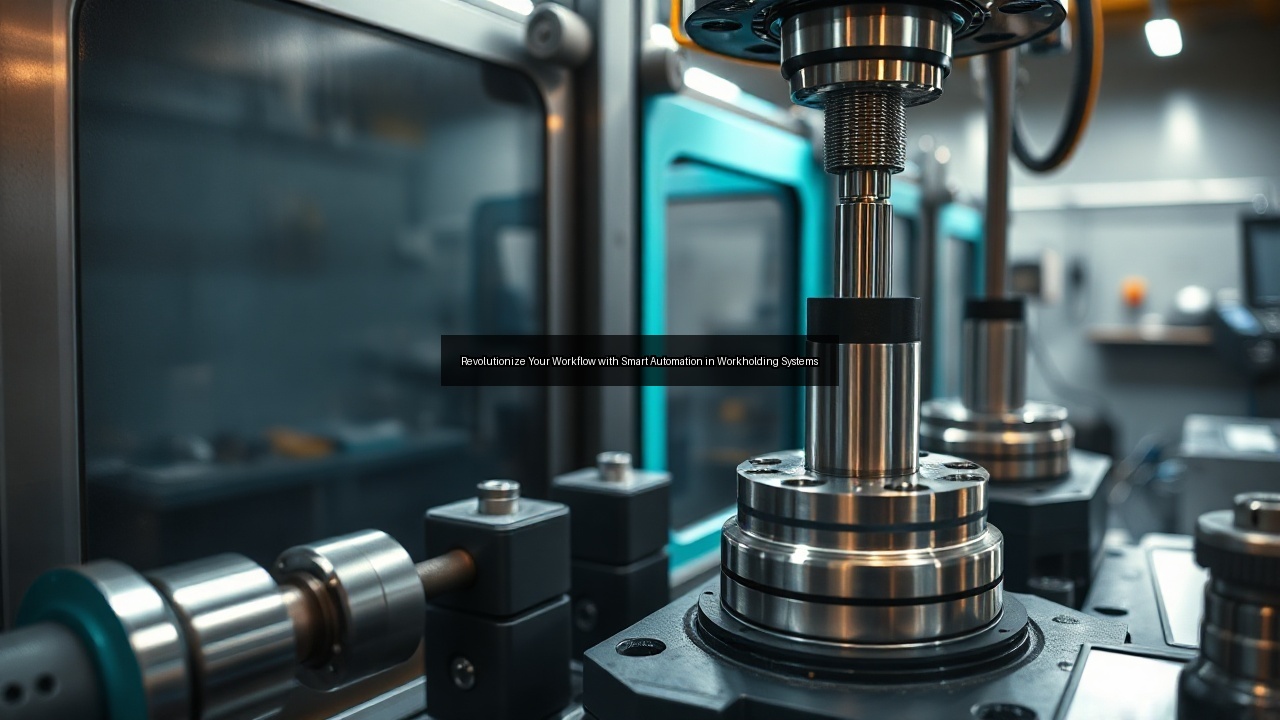
Workholding fixtures secure parts during milling, drilling, and other machining operations on CNC machines. These devices clamp materials firmly to prevent movement under cutting forces, which ensures precision across fabrication processes. Manufacturers rely on workholding fixtures in metal working environments where accuracy determines product quality. Proper design of a fixture accounts for part geometry, tool paths, and machine tool dynamics to maintain consistent results. CNC machine tools operate at high speeds, so fixtures must withstand vibration while allowing quick loading and unloading. Engineers select materials like hardened steel or aluminum for durability in demanding applications. Effective workholding fixtures reduce scrap rates and support repeatable setups across production runs. Shops that master fixture selection gain reliable output without constant adjustments.
The Role of Automation in Modern Workholding
Automation transforms workholding fixtures by adding sensors, actuators, and controls that respond in real time. Modern systems adjust clamping force automatically during CNC machining cycles, which prevents part distortion while maintaining stability. Technicians integrate these features into existing CNC machine tools to streamline transitions between jobs. Automation eliminates manual tweaks that slow workflows and introduce errors. In metal working facilities, automated workholding solutions detect misalignment early and correct it before machining begins. This capability boosts throughput without sacrificing the tight tolerances required in precision components. Shops adopting automation report fewer operator interventions and higher machine utilization rates. The shift allows teams to focus on programming and quality checks rather than repetitive clamping tasks.
Types of Workholding Fixtures and Their Applications
Common Fixtures in CNC Machining
CNC machining depends on fixtures such as vises, tombstones, and modular plates that hold workpieces securely during milling and drilling. These fixtures position parts accurately relative to the spindle, which supports complex tool paths on CNC machine tools. Operators choose dedicated fixtures for high-volume runs and modular systems for varied part families. Each design balances rigidity with accessibility so tools reach all surfaces without interference. In practice, common fixtures reduce setup time when paired with quick-change bases. Metal working shops track fixture wear to schedule maintenance before accuracy suffers. Consistent use of the right fixture type improves surface finishes and extends tool life across multiple shifts. Proper documentation of fixture setups helps new operators replicate proven processes quickly.
Jigs and Their Importance in Fabrication Processes
Jigs guide cutting tools while holding parts, which distinguishes them from standard workholding fixtures. In fabrication processes, jigs ensure holes stay aligned during drilling operations on CNC machines. Fabricators build jigs for repetitive tasks where manual layout would introduce variation. The addition of bushings or locators inside a jig maintains tight positional tolerances without constant measurement. Automation enhances jig performance by incorporating pneumatic clamps that activate in sequence with machine cycles. Metal working teams value jigs that survive thousands of cycles while preserving alignment. Well-designed jigs shorten cycle times and lower operator fatigue during long production runs. Shops that standardize jig designs across similar parts cut inventory costs and simplify training.
Hydraulic vs. Vacuum Workholding Solutions
Hydraulic workholding solutions deliver high clamping force through pistons and pumps, making them suitable for heavy milling on large CNC machine tools. Vacuum systems, by contrast, use atmospheric pressure to secure thin or flat parts without visible clamps that might obstruct tool access. Each approach fits different machining needs: hydraulic excels with irregular shapes under high forces, while vacuum supports delicate materials during high-speed operations. Automation integrates both types by monitoring pressure levels and triggering adjustments automatically. Metal working facilities evaluate part material, weight, and required accuracy before selecting hydraulic or vacuum options. Proper maintenance of seals and fluid lines prevents leaks that interrupt production. Many shops combine both technologies on the same CNC machine to handle diverse part geometries efficiently.
Enhancing Workflow with Smart Automation
Integrating Automation Technologies in CNC Machines
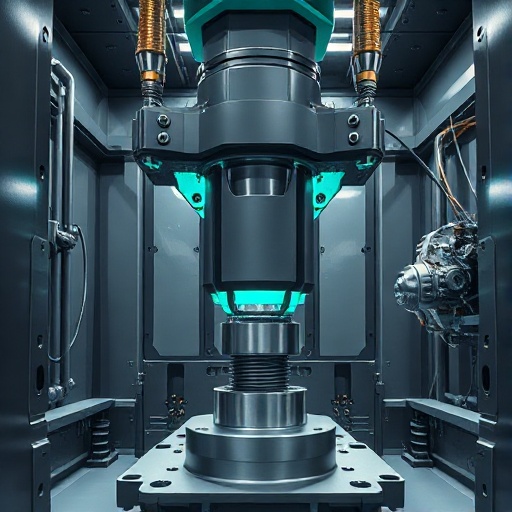
Integration of automation technologies links workholding fixtures directly to CNC machine controls for synchronized operation. Sensors embedded in fixtures report clamp status to the controller, which pauses cycles if pressure drops unexpectedly. This connection allows CNC machine tools to run unattended for longer periods while maintaining safety standards. Technicians program sequences that open and close clamps at precise moments during tool changes. Metal working operations gain flexibility when automated fixtures adapt to multiple part variants on one setup. Data from these systems feeds into monitoring software that tracks overall equipment effectiveness. Successful integration requires careful mapping of fixture signals to machine inputs during commissioning. Shops that complete this step see measurable gains in uptime and reduced human error.
Improving Accuracy and Speed in Manufacturing
Smart automation raises accuracy by maintaining consistent clamping force throughout machining cycles on CNC machines. Variable force control prevents over-tightening that warps thin sections or under-tightening that allows movement. Speed improvements come from faster fixture response times that shorten non-cutting intervals between operations. Manufacturing teams measure these gains through reduced cycle times and tighter statistical process control data. Automated workholding fixtures support higher feed rates because they eliminate manual verification steps. In practice, accuracy improvements compound across batches, lowering inspection costs downstream. Metal working facilities document baseline performance before automation upgrades to quantify gains clearly. The combination of precision and pace strengthens competitive positioning in contract manufacturing.
The Impact of Smart Tools on Workflow Efficiency
Smart tools embedded in workholding fixtures provide real-time feedback that optimizes workflow efficiency on CNC machine tools. Force sensors detect anomalies during milling and alert operators before scrap occurs. Automated sequences coordinate fixture actions with tool changes, which eliminates idle time between operations. Workflow efficiency rises further when data logs reveal patterns that guide fixture design improvements. Manufacturing staff use these insights to refine setups and reduce total handling time per part. Metal working environments benefit from fewer interruptions and smoother shift handovers. The cumulative effect allows teams to accept more jobs without adding headcount. Continuous monitoring keeps systems performing at peak levels over extended production periods.
Cost-Effective Solutions in Workholding Systems
Analyzing Pricing for Automated Workholding Tools
Pricing for automated workholding tools reflects added sensors, valves, and control interfaces beyond basic mechanical fixtures. Buyers compare initial costs against expected reductions in labor and scrap across CNC machining projects. Metal working suppliers offer tiered packages that scale with machine size and automation depth. Transparent pricing models help shops forecast payback periods accurately. Detailed quotes often separate fixture hardware from integration services so decision makers understand each component. Volume purchases or standardized designs frequently lower per-unit pricing for repeated applications. Careful analysis prevents overspending on features that deliver little value in specific workflows. Shops that review total ownership costs alongside purchase price make informed selections that align with production goals.
Evaluating the Cost vs. Benefit of Automation in Metal Working
Evaluating automation in metal working requires balancing upfront investment against long-term gains in throughput and quality. Automated workholding fixtures cut operator time per cycle, which frees skilled staff for higher-value tasks. Reduced variation from consistent clamping improves first-pass yield and lowers rework expenses. CNC machine tools equipped with smart fixtures often achieve higher utilization rates that spread fixed costs over more parts. Benefit calculations include intangible factors such as improved safety and easier compliance with quality standards. Shops run pilot programs on single machines to gather real data before scaling across the floor. This measured approach reveals true return on investment without disrupting ongoing production. Decision makers document assumptions to refine future evaluations.
Long-Term Savings with Efficient Workholding Systems
Efficient workholding systems generate savings through extended tool life, fewer machine crashes, and lower energy use during CNC machining. Automated force control prevents excessive stress on spindles and ways, which delays major repairs. Consistent setups reduce calibration time between batches and support lights-out operations that maximize machine availability. Metal working facilities track these savings in maintenance logs and production reports over multiple quarters. Reusable modular fixtures further amortize costs across different part numbers without new fabrication each time. Long-term savings compound when automation enables predictive maintenance based on actual usage data. Shops that prioritize efficiency upgrades often report sustained profitability improvements even as material and labor prices fluctuate.
Future Trends in Workholding Automation
The Role of 3D Printing Technologies (FDM, SLA, SLS) in Fabrication
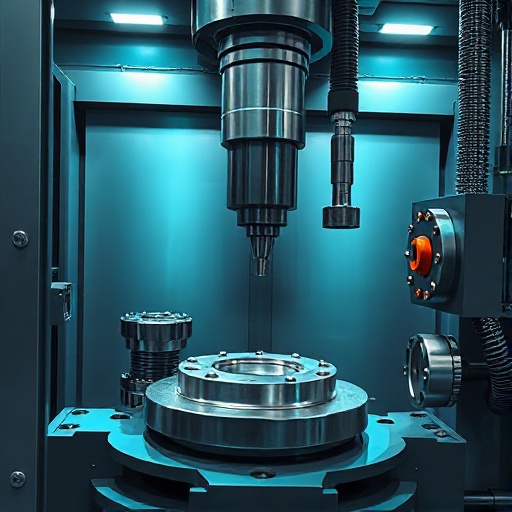
3D printing technologies such as FDM, SLA, and SLS create custom workholding fixtures with complex internal channels for vacuum or hydraulic routing. FDM produces durable prototypes quickly for testing fit on CNC machine tools. SLA delivers high-resolution details needed for precision locators in small parts. SLS builds strong nylon fixtures that withstand repeated clamping cycles in metal working environments. These methods shorten lead times compared with traditional machining of fixture bodies. Designers iterate geometries rapidly when simulation software flags stress concentrations. Fabrication teams combine printed components with standard hardware to balance cost and performance. Adoption of additive methods expands design freedom while maintaining compatibility with existing automation controls.
Innovations in Tooling and Fixture Design for Aerospace Manufacturing
Aerospace manufacturing demands fixtures that handle exotic alloys and thin-walled structures under strict traceability requirements. Innovations include adaptive fixtures with embedded actuators that adjust to thermal expansion during machining on CNC machines. Tooling integrates force monitoring that logs every clamp cycle for quality audits. Designers use lightweight composite materials to reduce fixture mass without sacrificing rigidity on large machine tools. Aerospace suppliers validate new fixture designs through extensive first-article inspections before production release. Automation links fixture status to digital work orders, which supports full process documentation. These advancements help manufacturers meet tight delivery schedules while maintaining the safety margins critical in flight hardware.
Emerging Technologies in CNC Machine Tools
Emerging technologies in CNC machine tools incorporate direct communication with workholding fixtures through industrial networks. Machine controllers now interpret fixture sensor data to optimize feed rates dynamically during milling. New spindle designs pair with automated workholding systems that self-align parts before cutting begins. Metal working engineers explore hybrid machines that combine additive and subtractive processes, requiring fixtures that accommodate both operations. Connectivity standards enable remote monitoring of clamp performance across multiple sites. Continued development of compact actuators allows denser fixture layouts on smaller machine tables. Shops that evaluate these technologies early position themselves to adopt proven solutions as they mature. Integration planning ensures new capabilities enhance rather than complicate existing workflows.
See Also
- Maximizing Accuracy in Metal Working with Advanced Workholding Solutions
- Exploring the Impact of Vacuum and Hydraulic Fixtures on Machining Speed
- The Art and Science of Designing Effective Workholding Jigs
- Navigating the Complex World of Workholding Fixture Pricing
- Unveiling the Future of CNC Machining with Innovative Workholding Fixtures